
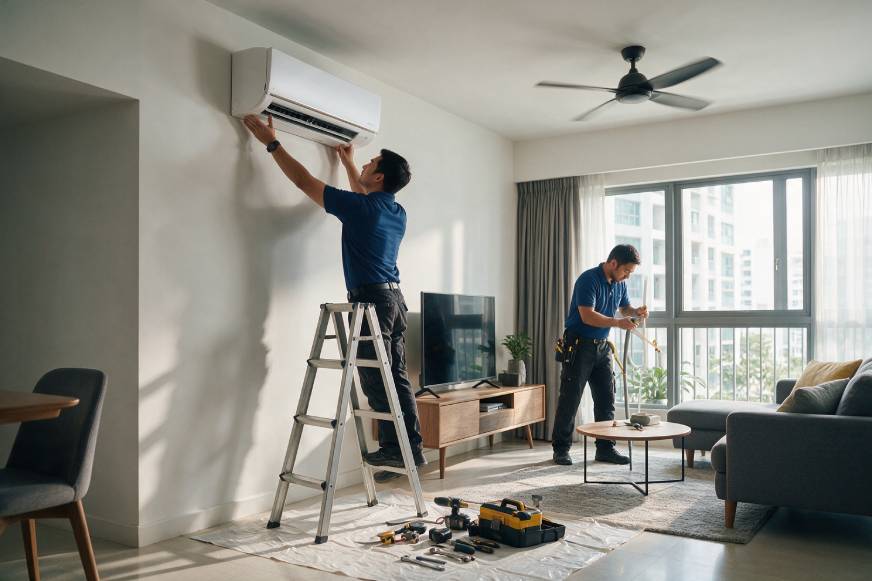
Installing a new air conditioner is more than choosing a brand and deciding how many indoor units you need. The system’s capacity, placement, piping and installation quality can all affect how comfortably and efficiently it cools your home.
For homeowners planning an Aircon installation Singapore, making the right decisions before installation can also help prevent problems such as uneven cooling, excessive energy consumption, water leakage and inconvenient maintenance later.
Whether you are installing air conditioning in a new home or replacing an existing system, here are the important factors worth checking before work begins.
Start by Understanding Your Home’s Cooling Requirements
Before comparing aircon models, consider where and how the system will be used.
A bedroom that is mainly cooled at night has different requirements from a large living and dining area used throughout the day. Room size matters, but it is not the only consideration.
Ceiling height, direct sunlight, windows, room layout and the number of people regularly using the space can also affect cooling requirements.
This is why simply choosing the same aircon capacity for every room may not produce the best result. An installer should assess the actual spaces before recommending a suitable system.
Check the Appropriate Aircon Capacity for Each Room
Aircon cooling capacity is commonly measured in BTU. Choosing an appropriate capacity is an important part of planning your installation.
If the capacity is too low, the air conditioner may need to operate harder and longer to reach the desired temperature. On the other hand, installing a significantly oversized unit is not automatically better.
For homeowners, the safest approach is to have the room requirements assessed rather than choosing a unit based solely on price or assumptions.
A proper assessment can consider factors such as:
- Room dimensions and ceiling height
- Amount of direct sunlight
- Number and size of windows
- Typical room occupancy
- How frequently the room will be cooled
These details help determine a system that suits the actual cooling needs of the home.
Decide How Many Indoor Units Your Home Needs
Another important decision is the number of rooms you want to cool.
Singapore homes commonly use multi-split configurations where several indoor units operate with one outdoor condenser. The suitable configuration depends on your property layout and cooling requirements.
For example, a homeowner may want air conditioning in three bedrooms but not the living room, while another household may need cooling throughout the bedrooms and main living area.
Think about your daily routine rather than installing an indoor unit in every possible location automatically.
It is also worth discussing whether several rooms are likely to use their air conditioners simultaneously. This can influence the system configuration recommended by your installer.
Plan the Indoor Unit Position Carefully
The position of an indoor aircon unit affects both comfort and practicality.
Ideally, cooled air should circulate through the room without being unnecessarily obstructed by tall furniture, cabinets or other structures. At the same time, you may want to avoid having strong airflow directed continuously at the bed, sofa or work desk.
Don’t Forget Future Maintenance Access
Placement should also allow technicians to access the unit for future servicing.
A visually neat installation may seem attractive, but placing the air conditioner too close to built-in cabinetry or in an awkward corner can make maintenance more difficult.
Before approving the position, consider both how the air will circulate today and how the unit will be serviced in the future.
Discuss Aircon Piping Before Installation Starts
Piping is one of the less visible parts of an aircon system, but it deserves careful planning.
The route between the indoor units and outdoor condenser can affect the appearance of your home as well as installation complexity. For renovated properties, homeowners may also need to decide whether piping will be concealed or covered with trunking.
Discuss the proposed piping route before installation starts so you understand where trunking may appear on walls and how drainage will be arranged.
For replacement installations, the installer should also determine whether existing piping is suitable for reuse or whether new piping is recommended for the new system.
Make Sure Drainage Is Properly Planned
During normal operation, an air conditioner produces condensation. This water needs to drain away properly.
Poor drainage planning can contribute to issues such as water leakage or drainage blockages later. Drain pipes should therefore be installed with an appropriate route that allows water to flow away effectively.
Homeowners should ask where the drainage pipes will run and where the water will discharge.
This may seem like a small detail during installation, but proper drainage can make a considerable difference to the system’s long-term reliability.
Check Where the Outdoor Condenser Will Be Located
While homeowners often focus on the indoor units, the outdoor condenser is equally important.
The condenser needs appropriate ventilation so that heat can be released effectively. Its location should also allow reasonable access when inspection, cleaning or repair is required.
For some properties, the available condenser location may already be determined by the building design. Even so, the installer should check the space and make sure the selected system is suitable for the installation area.
Think About Energy Efficiency and Long-Term Usage
Purchase price should not be the only consideration when comparing air conditioners.
An aircon system may operate for many hours each week, especially in bedrooms or households where occupants spend considerable time at home. Energy efficiency can therefore influence long-term running costs.
Before purchasing, compare suitable models based on your expected usage rather than simply choosing the cheapest system available.
A more suitable and efficient air conditioner may offer better long-term value when matched correctly to the household’s cooling requirements.
Ask What Is Included in the Installation
Not every installation quotation necessarily includes the same materials or work.
Before confirming an Aircon installation Singapore service, understand exactly what the quotation covers. This can help prevent unexpected costs once installation has started.
Ask about items such as piping, insulation, drainage, electrical work, brackets and trunking where applicable. You should also clarify whether removing an existing aircon system is included if you are replacing an old unit.
A clear quotation makes it easier to compare installation options based on the complete scope of work rather than price alone.
Consider Maintenance Before Choosing Your New System
Maintenance may not be your first thought when purchasing a new air conditioner, but it should be part of the decision.
All air conditioners require regular cleaning and inspection to maintain their condition. Choosing a system that can be accessed conveniently makes future aircon servicing easier.
You should also understand the recommended maintenance schedule for your new system, particularly if your household uses air conditioning frequently.
Proper installation creates a good starting point, while regular maintenance helps keep the system operating effectively after that.
Replacing an Existing Aircon? Have the Old System Checked First
If your current air conditioner is giving you problems, replacement is not always the only option.
Poor cooling, unusual smells, water leakage or weak airflow may sometimes be related to maintenance issues rather than the entire system reaching the end of its usable life.
Depending on its condition, aircon chemical overhaul or repair may be considered before deciding to replace the complete system.
However, if the existing air conditioner experiences repeated breakdowns, requires major repairs or no longer meets your household’s cooling needs, a new installation may offer a more practical long-term solution.
Prepare Before Your Aircon Installation in Singapore
A successful aircon installation starts well before the technicians arrive.
Consider the cooling requirements of each room, suitable capacity, indoor unit positions, condenser location, piping, drainage and future maintenance before confirming your system.
Most importantly, avoid choosing an air conditioner based only on price or brand. The system should suit your home’s layout and actual usage requirements.
If you are planning a new Aircon installation Singapore, Non-Stop Cooling can assess your requirements and help you determine a suitable aircon setup for your home.


